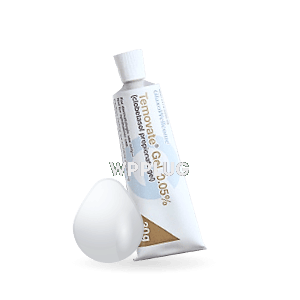
Temovate: Potent Topical Corticosteroid for Severe Dermatoses
Temovate (clobetasol propionate) is a high-potency, Class I topical corticosteroid indicated for the short-term treatment of moderate to severe corticosteroid-responsive dermatoses. It exerts potent anti-inflammatory, antipruritic, and vasoconstrictive actions, making it a cornerstone in dermatological therapy for conditions unresponsive to lower-potency corticosteroids. This super-high-potency agent is reserved for severe, recalcitrant dermatoses and requires careful medical supervision to maximize efficacy while minimizing potential adverse effects. Proper patient selection, application technique, and treatment duration are critical for optimal therapeutic outcomes.
Features
- Contains 0.05% clobetasol propionate as the active pharmaceutical ingredient
- Available in multiple formulations: cream, ointment, solution, and foam
- Rapid onset of action with significant anti-inflammatory effects
- High-potency corticosteroid (Class I potency rating)
- Formulations designed for different skin types and affected areas
- Typically supplied in 15g, 30g, or 60g tubes/containers
- Occlusive properties enhance percutaneous absorption
- Stable chemical composition with predictable pharmacokinetics
Benefits
- Provides rapid relief from inflammation, erythema, and pruritus in severe dermatological conditions
- Effective for recalcitrant lesions that have failed treatment with lower-potency corticosteroids
- Multiple formulation options allow for targeted therapy based on lesion characteristics and body site
- Short treatment course typically sufficient for clinical improvement in appropriate candidates
- Reduces lichenification and skin thickening through potent anti-proliferative effects
- Helps restore skin barrier function and normalize epidermal differentiation
Common use
Temovate is primarily prescribed for the short-term treatment of severe inflammatory dermatoses that are unresponsive to less potent corticosteroids. Common indications include psoriasis (particularly plaque psoriasis), severe eczema, lichen planus, discoid lupus erythematosus, and other steroid-responsive dermatoses. It may be used for localized vitiligo in certain treatment protocols and for keloid management. The medication is typically applied to affected areas once or twice daily for limited durations, generally not exceeding two weeks of continuous use, with a maximum weekly dosage of 50g for adults.
Dosage and direction
Apply a thin film of Temovate to the affected area once or twice daily, depending on severity and physician recommendation. Gently rub into the skin until barely visible. Use the smallest amount necessary to cover the treatment area. Treatment duration should be limited to 2 consecutive weeks, and the total weekly dosage should not exceed 50g. Do not use under occlusive dressings unless specifically directed by a physician. For scalp solutions, part the hair and apply directly to the lesion, avoiding unaffected areas. Wash hands thoroughly after application unless treating hands.
Precautions
Use Temovate with caution in patients with liver impairment, as systemic absorption may be increased. Avoid application to the face, groin, axillae, or other intertriginous areas due to increased absorption and higher risk of adverse effects. Monitor for signs of hypothalamic-pituitary-adrenal (HPA) axis suppression, especially with prolonged use or large surface area application. Discontinue if irritation develops. Not recommended for use in children under 12 years. Use during pregnancy only if potential benefit justifies potential risk to the fetus. Nursing mothers should not apply to breast area.
Contraindications
Hypersensitivity to clobetasol propionate or any component of the formulation. Contraindicated in patients with viral skin infections (herpes simplex, varicella), fungal infections, or bacterial skin infections without appropriate antimicrobial therapy. Should not be used for rosacea, perioral dermatitis, or acne vulgaris. Avoid use in patients with cutaneous tuberculosis. Not indicated for ophthalmic use. Contraindicated in patients with widespread plaque psoriasis where more than 20% of body surface area is affected.
Possible side effects
The most common local adverse reactions include burning, stinging, itching, irritation, dryness, folliculitis, hypertrichosis, acneiform eruptions, and hypopigmentation. With prolonged use or inappropriate application: skin atrophy, striae, telangiectasia, miliaria, and contact dermatitis may occur. Systemic absorption may lead to reversible HPA axis suppression, manifestations of Cushing’s syndrome, hyperglycemia, glucosuria, hypertension, and weight gain. Rare reports of generalized pustular psoriasis following withdrawal. Pediatric patients may be more susceptible to systemic toxicity.
Drug interaction
No formal drug interaction studies have been conducted with topical clobetasol propionate. However, concomitant use with other corticosteroids may increase the risk of HPA axis suppression. Drugs that inhibit CYP3A4 metabolism (ketoconazole, itraconazole, clarithromycin) may potentially increase systemic corticosteroid levels. Use with other potentially hepatotoxic drugs may require additional monitoring. No known interactions with topical agents applied sequentially, though applying multiple topical products to the same area may alter absorption characteristics.
Missed dose
If a dose is missed, apply as soon as remembered unless it is almost time for the next scheduled application. Do not double the dose to make up for a missed application. Maintain the regular application schedule. If multiple doses are missed, contact your healthcare provider for guidance on resuming treatment. Consistent application is important for therapeutic efficacy, but occasional missed doses are unlikely to significantly impact treatment outcomes given the medication’s cumulative effect.
Overdose
Topical overdose may produce systemic effects including Cushing’s syndrome, hyperglycemia, and HPA axis suppression. Acute overdose is unlikely with topical application but could occur with excessive application over large body surface areas or prolonged use. Treatment involves discontinuation of the medication and supportive care. Symptomatic management of electrolyte imbalances may be necessary. In cases of significant systemic absorption, monitor adrenal function and provide appropriate corticosteroid replacement if needed. There is no specific antidote for clobetasol propionate overdose.
Storage
Store at controlled room temperature (20-25°C or 68-77°F). Keep tube tightly closed when not in use. Protect from freezing and excessive heat. Do not store in bathroom where moisture could affect stability. Keep all medications out of reach of children and pets. Do not use after expiration date printed on packaging. Discard any medication that has changed color, consistency, or shows signs of contamination. Properly dispose of unused medication according to local regulations.
Disclaimer
This information is provided for educational purposes only and does not constitute medical advice. Temovate is a prescription medication that should be used only under the supervision of a qualified healthcare professional. Individual results may vary. Always follow your physician’s instructions regarding dosage and application. Report any adverse reactions to your healthcare provider promptly. Do not use this medication for any condition other than that for which it was prescribed. The full prescribing information should be consulted before use.
Reviews
Clinical studies demonstrate Temovate’s efficacy in treating severe dermatoses, with approximately 85-90% of patients showing significant improvement within two weeks of treatment. Dermatologists consistently rate clobetasol propionate as highly effective for recalcitrant plaques of psoriasis and severe eczema. Patients report rapid relief of itching and inflammation, though some note concerns about potential side effects with prolonged use. The various formulations receive positive feedback for addressing different treatment needs, with the foam formulation particularly noted for ease of application in hairy areas. Long-term satisfaction is high when used appropriately under medical supervision.