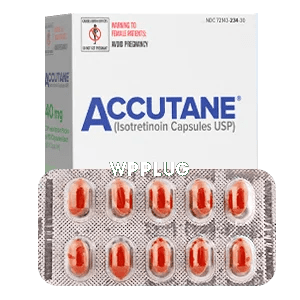
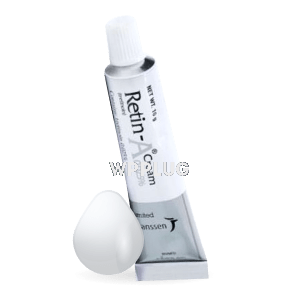
| Product dosage: 20g | |||
|---|---|---|---|
| Package (num) | Per tube | Price | Buy |
| 3 | $16.49 | $49.46 (0%) | 🛒 Add to cart |
| 10 | $12.52 | $164.85 $125.15 (24%) | 🛒 Add to cart |
| 15 | $11.91 | $247.28 $178.65 (28%) | 🛒 Add to cart |
| 20 | $11.61
Best per tube | $329.70 $232.14 (30%) | 🛒 Add to cart |
Synonyms
| |||
Similar products
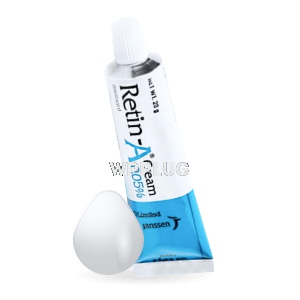
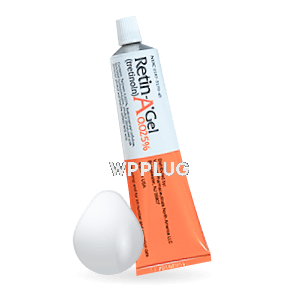
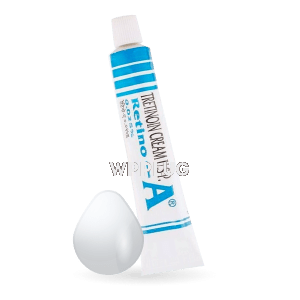
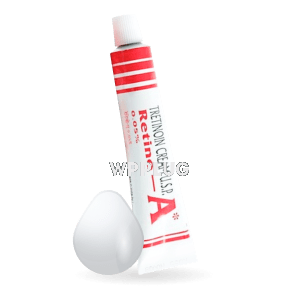
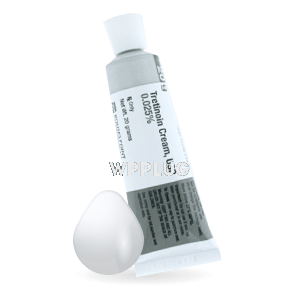
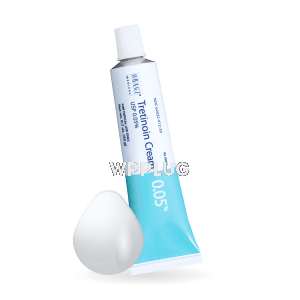
Retin-A 0.025: Professional-Grade Acne and Anti-Aging Treatment
Retin-A 0.025% cream contains tretinoin, a first-generation retinoid derived from vitamin A, and represents a cornerstone in both dermatological acne management and evidence-based anti-aging regimens. As a topical prescription medication, it works by normalizing keratinization, reducing microcomedone formation, and stimulating collagen production and epidermal remodeling. This formulation is specifically engineered for individuals with sensitive skin or those initiating retinoid therapy, offering a balance of proven efficacy and manageable tolerability. Its mechanism of action addresses the fundamental pathophysiology of acne vulgaris and photoaging, making it a versatile tool in clinical dermatology.
Features
- Active Ingredient: Tretinoin 0.025% w/w.
- Formulation: Emollient-based cream for enhanced tolerability.
- Vehicle: Designed for optimal stability and delivery of the active pharmaceutical ingredient.
- Prescription Status: Available by prescription only, ensuring supervised use.
- Packaging: Typically supplied in 20g and 45g aluminum tubes to protect the photosensitive compound.
Benefits
- Clinically Proven Acne Reduction: Effectively unclogs pores and prevents the formation of new comedones (whiteheads and blackheads), leading to a significant reduction in inflammatory and non-inflammatory acne lesions.
- Diminishes Visible Signs of Photoaging: Promotes collagen synthesis and epidermal thickening, resulting in improved skin texture, reduction in the appearance of fine lines and wrinkles, and fading of hyperpigmentation and solar lentigines (age spots).
- Improves Overall Skin Tone and Texture: Encourages rapid cellular turnover, which smoothens rough skin, evens out skin tone, and imparts a more refined, luminous complexion.
- Prevents Future Damage: Regular use helps maintain clear pores and healthy skin cell regeneration, providing prophylactic benefits against recurring acne and cumulative sun damage.
- Addresses Multiple Concerns with One Agent: Serves a dual therapeutic purpose, making it a highly efficient choice for patients presenting with both acne and early photoaging.
Common use
Retin-A 0.025% is primarily prescribed for the topical treatment of acne vulgaris, graded as mild to moderate. Its use is indicated for reducing the number and severity of acne pimples and promotes rapid peeling of affected skin areas. Furthermore, it is extensively used off-label as the gold-standard topical treatment for photoaging, including mitigation of fine wrinkles, mottled hyperpigmentation, and tactile roughness of skin resulting from chronic sun exposure. It is a fundamental component of many long-term skincare maintenance programs supervised by dermatologists.
Dosage and direction
For acne and anti-aging: Apply a pea-sized amount to the entire affected area once daily, in the evening, before bedtime. The face should be thoroughly cleansed with a mild, non-medicated cleanser and patted completely dry. Wait 20-30 minutes for the skin to fully dry, as applying to damp skin can increase irritation. Dot the product on the forehead, cheeks, chin, and nose, then gently smooth it into a thin layer, avoiding the immediate eye area (eyelids), creases of the nose, and lips. More is not better; using an excessive amount will not increase efficacy but will significantly increase the risk of irritation.
Initiate therapy with applications every second or third night to allow the skin to acclimatize, gradually increasing frequency to nightly as tolerated. Consistent, long-term use is required for optimal and sustained results. A broad-spectrum sunscreen with an SPF of 30 or higher must be used every morning, as tretinoin increases photosensitivity.
Precautions
- Photosensitivity: This drug increases susceptibility to sunburn. Avoid unnecessary sun exposure, including tanning beds and sunlamps. Use protective clothing and a broad-spectrum sunscreen daily.
- Weather Extremes: Exercise caution in windy or cold weather, as these conditions may be irritating to treated skin.
- Irritation: It is common to experience redness, itching, scaling, and a sensation of warmth or stinging, especially during the first 2-4 weeks of use. This often signifies that the medication is working. If irritation becomes severe, reduce frequency of application.
- “Purging” Phase: An initial flare-up of acne may occur as microcomedones are accelerated to the surface. This typically subsides within a few weeks.
- Contact with Mucous Membranes: Avoid contact with eyes, mouth, angles of the nose, and mucous membranes. If contact occurs, rinse thoroughly with water.
- Concomitant Use: Do not use other potentially irritating topical products (e.g., products containing alcohol, astringents, spices, lime, medicated soaps or shampoos, high concentrations of alpha-hydroxy acids [AHAs] or salicylic acid) unless directed by a physician.
Contraindications
Retin-A 0.025% is contraindicated in individuals with a history of hypersensitivity to any component of the formulation (e.g., tretinoin, stearic acid, isopropyl myristate, polyoxyl 40 stearate, stearyl alcohol, xanthan gum, sorbic acid, butylated hydroxytoluene). It should not be used by individuals who are sunburned or have eczematous skin, as it may cause severe irritation. Use during pregnancy is generally contraindicated due to potential risks, as systemic retinoids are known teratogens. While topical absorption is low, the risk-benefit ratio must be carefully evaluated by a healthcare provider.
Possible side effect
The most common side effects are local skin reactions, often referred to as “retinization.” These are typically dose-dependent and often diminish with continued use as the skin adapts.
- Very Common (>10%): Skin dryness, erythema (redness), feeling of warmth, stinging or burning, scaling, peeling, and irritation at the application site.
- Common (1-10%): Pruritus (itching), skin pain, rash, and temporary lightening or darkening of the skin.
- Uncommon (<1%): Blistering, crusting, severe erythema, swelling (edema), and hypopigmentation or hyperpigmentation.
- Rare: Allergic contact dermatitis.
Drug interaction
Concurrent use of other topical medications with a high potential for irritation (e.g., benzoyl peroxide, salicylic acid, other retinoids, resorcinol, sulfur) may result in a cumulative irritant effect. It is generally advised to space the application of such agents (e.g., use one in the morning and one at night) rather than applying them simultaneously. Concomitant use of topical antibiotics like clindamycin is common and often synergistic for acne, but should be done under medical guidance. Avoid products containing lime. Photosensitizing drugs (e.g., thiazides, tetracyclines, fluoroquinolones, phenothiazines, sulfonamides) may increase the risk of sunburn.
Missed dose
If a dose is missed, apply it as soon as remembered on the same evening. If it is nearly time for the next application, skip the missed dose and resume the usual dosing schedule. Do not apply a double dose to compensate for a missed one, as this will increase the likelihood of skin irritation.
Overdose
Topical overdose will manifest as severe skin irritation: pronounced redness, peeling, burning, and discomfort. There is no systemic toxicity expected from topical overdose due to minimal absorption. Treatment is discontinuation of the product until the skin integrity is restored, and use of bland, non-comedogenic moisturizers. If the product is ingested orally, seek immediate medical attention or contact a poison control center. Symptoms of oral ingestion may align with hypervitaminosis A (e.g., headache, dizziness, nausea, vomiting).
Storage
Store at controlled room temperature, 20°-25°C (68°-77°F). Excursions are permitted between 15°-30°C (59°-86°F). Do not freeze. Keep the tube tightly closed and stored in its carton to protect from light. Keep out of reach of children and pets. Do not puncture or incinerate the container.
Disclaimer
This information is for educational purposes only and does not constitute medical advice. It is not a substitute for professional medical advice, diagnosis, or treatment. Always seek the advice of your physician or other qualified health provider with any questions you may have regarding a medical condition or before starting any new treatment. Never disregard professional medical advice or delay in seeking it because of something you have read here. The efficacy and side effect profile of this medication can vary significantly from person to person.
Reviews
- Dermatologist, 15 years experience: “I start almost all my retinoid-naive patients on 0.025%. It provides the foundational benefits of tretinoin with a much lower incidence of severe irritation, leading to better long-term compliance. The results for both inflammatory acne and textural improvement are consistently reliable.”
- Patient, 28: “The first month was rough with peeling and redness, but sticking with it every other night was key. After 3 months, my skin is clearer than it has been since I was a teenager. The persistent closed comedones on my forehead are completely gone.”
- Patient, 45: “I use this for anti-aging. It took patience, but the difference in my skin’s firmness and the fading of my sun spots is undeniable. It’s made my skin look healthier and more vibrant. I pair it with a heavy moisturizer and never skip sunscreen.”
- Clinical Study Data: A 48-week, double-blind study published in the Journal of the American Academy of Dermatology found that tretinoin 0.025% cream produced significant clinical improvement in photoaged skin, with 68% of patients showing improvement in fine wrinkling compared to 26% in the vehicle-control group. Tolerance was rated as good to excellent in over 85% of participants.