| Product dosage: 5% | |||
|---|---|---|---|
| Package (num) | Per tube | Price | Buy |
| 2 | $28.75 | $57.49 (0%) | 🛒 Add to cart |
| 3 | $26.90 | $86.24 $80.69 (6%) | 🛒 Add to cart |
| 4 | $25.72 | $114.98 $102.88 (11%) | 🛒 Add to cart |
| 5 | $25.22 | $143.73 $126.08 (12%) | 🛒 Add to cart |
| 6 | $24.71 | $172.47 $148.26 (14%) | 🛒 Add to cart |
| 7 | $24.35 | $201.22 $170.45 (15%) | 🛒 Add to cart |
| 8 | $24.08 | $229.96 $192.64 (16%) | 🛒 Add to cart |
| 9 | $23.98 | $258.71 $215.84 (17%) | 🛒 Add to cart |
| 10 | $23.80
Best per tube | $287.45 $238.03 (17%) | 🛒 Add to cart |
Similar products
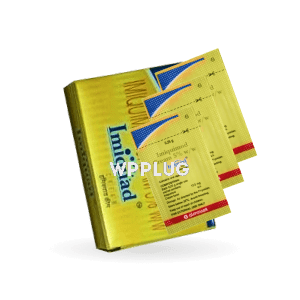
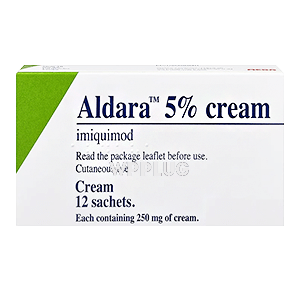
Aldara Cream: Effective Topical Treatment for External Genital Warts
Aldara (imiquimod) Cream, 5%, is a physician-prescribed topical immunomodulator designed for the treatment of external genital and perianal warts in adults. It works by activating local immune responses to help the body clear human papillomavirus (HPV)-related lesions. This patient-applied cream offers a convenient, non-invasive therapeutic option with a well-established efficacy and safety profile, making it a first-line choice in dermatologic and gynecologic practice for managing these common viral skin growths.
Features
- Contains 5% imiquimod as the active pharmaceutical ingredient
- Available in single-use packets or multi-use pump bottles
- White-to-light-yellow oil-in-water emulsion cream
- Each gram contains 50 mg of imiquimod
- Prescription-only medication requiring healthcare provider authorization
- Manufactured under strict pharmaceutical quality control standards
Benefits
- Stimulates localized immune response to target and clear HPV-infected cells
- Provides non-invasive treatment that can be self-administered at home
- Demonstrates high clearance rates with reduced recurrence compared to destructive methods
- Minimizes scarring risk compared to surgical interventions
- Offers flexible dosing regimen tailored to individual tolerance and response
- Creates potential for systemic immune memory against treated HPV types
Common use
Aldara Cream is primarily indicated for the treatment of external genital and perianal warts (condylomata acuminata) in immunocompetent patients 12 years and older. The cream is applied directly to wart tissue, typically as part of a structured treatment protocol involving application three times per week (such as Monday, Wednesday, and Friday) before normal sleeping hours. Treatment duration generally spans until complete clearance or up to 16 weeks, whichever comes first. Clinical studies have demonstrated complete clearance rates ranging from 50% to 80% in compliant patients, with higher success rates observed in female patients. The medication may also be used off-label under medical supervision for certain superficial basal cell carcinomas, actinic keratoses, and other dermatologic conditions, though these uses require specialized medical oversight.
Dosage and direction
Apply a thin layer of Aldara Cream to the wart area, rubbing in thoroughly until the cream is no longer visible. Use sufficient cream to cover the treatment area, but typically no more than one packet or a pea-sized amount per application. Apply prior to normal sleeping hours and leave on the skin for approximately 6-10 hours. Following this contact period, wash the treatment area with mild soap and water to remove residual medication. The standard regimen involves application three times per week (e.g., Monday, Wednesday, Friday) with at least one day between applications. Do not exceed 16 weeks of continuous therapy without medical reevaluation. Avoid occlusive dressings unless specifically instructed by your healthcare provider. Wash hands thoroughly before and after application to prevent accidental transfer to other body areas or individuals.
Precautions
Aldara Cream may cause local skin reactions including erythema, erosion, flaking, edema, itching, and burning. These reactions typically indicate immunologic activity and are often dose-dependent. Patients should avoid sexual contact while the cream is on the skin as it may weaken condoms and diaphragms and could transfer to partners. Sun exposure should be minimized during treatment as imiquimod may increase photosensitivity. The medication is for external use only and must not be applied intravaginally, intra-analally, orally, or ophthalmically. Patients with autoimmune disorders or those undergoing immunosuppressive therapy should use with particular caution and under close medical supervision. Contact with eyes, nostrils, and mouth must be avoided. If severe skin reactions occur or if the patient develops flu-like symptoms, medical consultation is recommended.
Contraindications
Aldara Cream is contraindicated in patients with known hypersensitivity to imiquimod or any component of the formulation. It should not be used on patients with congenital or acquired immunodeficiencies, including those with HIV/AIDS, organ transplant recipients on immunosuppressive therapy, or those undergoing chemotherapy. The cream is not recommended for treatment of internal genital warts (vaginal, cervical, urethral, or intra-anal). Use during pregnancy is generally contraindicated unless potential benefits outweigh risks, as animal studies have shown reproductive toxicity. Nursing mothers should avoid application to the breast area and consider discontinuing nursing during treatment due to unknown excretion in human milk.
Possible side effects
Very common (≥10%): Application site reactions including redness, swelling, itching, burning, pain, tenderness, erosion, ulceration, flaking, scabbing, and hardening of the skin. These local reactions typically peak around second to fifth week of treatment and gradually subside.
Common (1-10%): Headache, fatigue, fever, muscle aches, fungal infections, diarrhea, nausea. Local pigmentary changes including hypopigmentation or hyperpigmentation may occur, usually temporary but occasionally persistent.
Uncommon (0.1-1%): Lymph node enlargement near treatment area, dizziness, back pain, bacterial skin infections, herpes simplex reactivation.
Rare (<0.1%): Severe systemic allergic reactions, autoimmune phenomena such as psoriasis exacerbation or vitiligo onset, and severe flu-like symptoms requiring medical attention.
Most local reactions are manageable with temporary treatment interruption (2-3 days) followed by resumption at same or reduced frequency. Severe erosions or ulcerations may require treatment discontinuation until healing occurs.
Drug interaction
Formal drug interaction studies have not been conducted with topical imiquimod. However, concomitant use with other topical medications applied to the same area may increase systemic absorption or cause unpredictable local reactions. Avoid using other topical products (including corticosteroids, retinoids, or abrasive preparations) on treated areas unless directed by a physician. Patients using immunosuppressive medications may experience reduced efficacy of Aldara Cream. There are no known interactions with systemic medications, though caution is advised with drugs that affect immune function. The cream may weaken latex condoms and diaphragms, potentially reducing their contraceptive and STD prevention effectiveness.
Missed dose
If a scheduled application is missed, apply the cream as soon as remembered unless it is nearly time for the next dose. In that case, skip the missed dose and resume the regular schedule. Do not apply extra cream to make up for a missed dose. Maintain the established pattern of applications with at least one day between doses. If multiple doses are missed, contact your healthcare provider for guidance on resuming treatment. Consistency in application schedule optimizes therapeutic response while minimizing adverse effects.
Overdose
Topical overdose may occur with excessive application frequency or amount, leading to intensified local reactions including severe erythema, edema, erosion, and pain. Systemic overdose is unlikely due to minimal absorption but could theoretically cause enhanced immune stimulation manifesting as flu-like symptoms, fatigue, and fever. If overdose is suspected, thoroughly wash the treatment area to remove residual medication. Symptomatic treatment with cool compresses, topical emollients, or oral analgesics may provide relief. Seek medical attention if severe reactions occur or if symptoms persist. There is no specific antidote for imiquimod overdose.
Storage
Store Aldara Cream at controlled room temperature between 20°C to 25°C (68°F to 77°F), with excursions permitted between 15°C to 30°C (59°F to 86°F). Do not freeze. Keep the medication in its original container, tightly closed, and protected from light and moisture. Store out of reach of children and pets. Discard any unused cream 30 days after opening the packet or bottle, even if medication remains. Do not transfer cream to other containers. Proper storage maintains stability and prevents contamination.
Disclaimer
This information is provided for educational purposes only and does not replace professional medical advice, diagnosis, or treatment. Always consult with a qualified healthcare provider before starting any new medication or treatment regimen. Individual results may vary, and not all patients will experience the same outcomes. The manufacturer and distributors are not liable for any adverse effects or consequences resulting from the use of this information. Patients should follow their prescribing physician’s instructions precisely and report any unexpected reactions promptly.
Reviews
Clinical studies demonstrate patient satisfaction rates between 65-85% among those achieving complete clearance. Many users report appreciation for the non-invasive nature of treatment and the ability to self-administer at home. Common positive feedback highlights the gradual but definitive clearance of warts with sustained results. Negative experiences typically relate to local skin reactions, with some patients discontinuing due to discomfort. Dermatologists consistently rate Aldara as a valuable first-line option, particularly noting its immunomodulatory mechanism and reduced recurrence rates compared to ablative methods. Long-term follow-up studies show maintained clearance in approximately 70-80% of patients at 12-week post-treatment assessments.